
On keeping
Before we get to Malachi
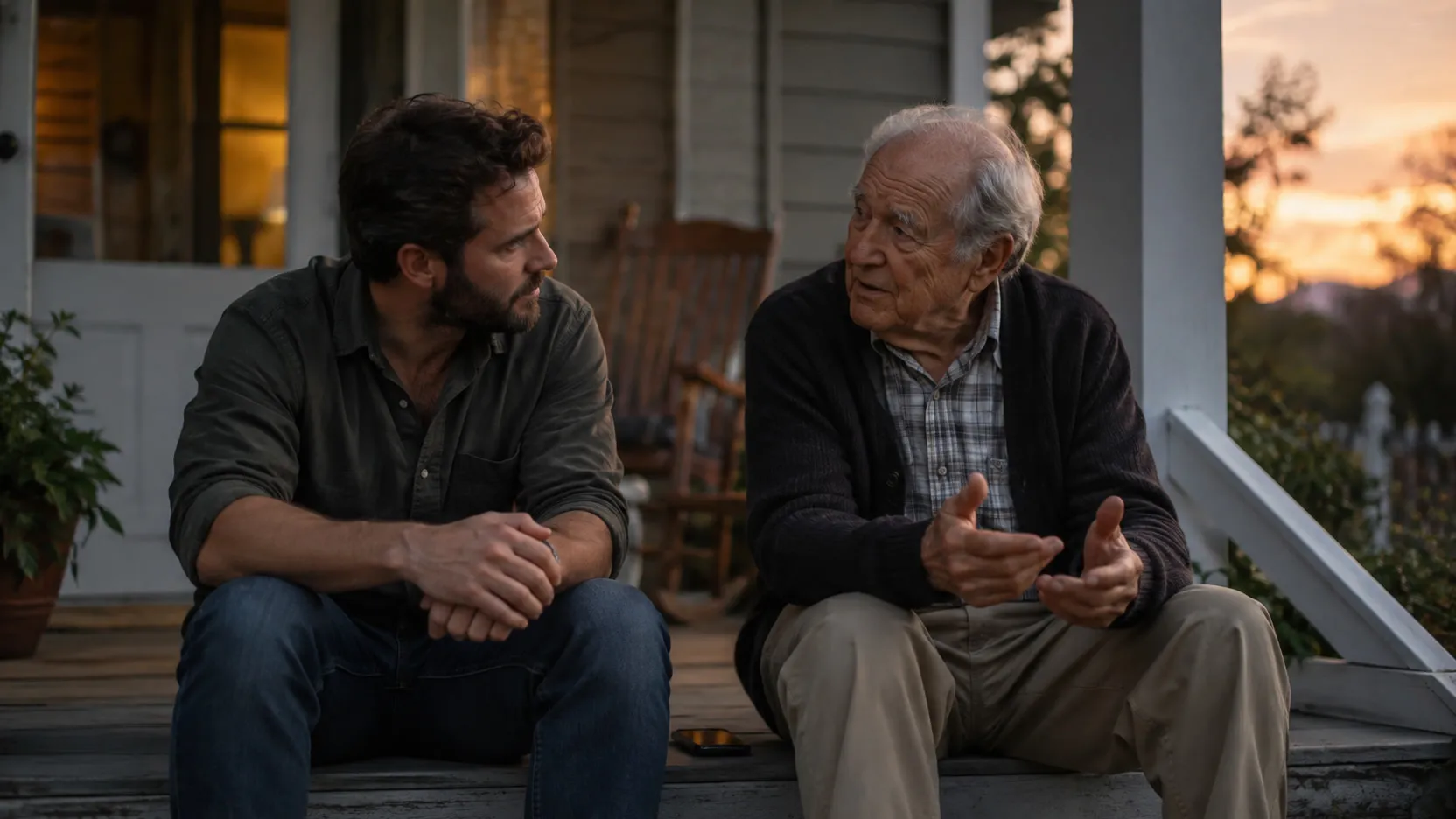
This year the whole Church is walking the Old Testament together, and every road in it runs toward the same four verses. In December, Come, Follow Me arrives at Malachi — at the promise most Latter-day Saints know by heart: that hearts would turn. Fathers to children. Children to fathers. The oldest homework assignment in scripture.
We usually read those verses looking backward, toward the temple and the dead, and that reading is true and holy and not what this post is about.
Because turn is a verb, and verbs have to happen somewhere. A heart doesn’t turn in the abstract. It turns on a Tuesday, in a kitchen, usually mid-sentence. I wrote a song about that turning — the line goes, “My heart turned toward my mother and I felt her heart turn back” — and the scene it lives in couldn’t be more ordinary. No pulpit, no pew. A phone set on the table, one question twenty years late, and a woman who had been waiting the whole time. There’s a line about her side of it in another song, sung from the other chair: “I’ve been waiting half your life for you to ask.”
That’s the part of the promise we skip. We picture the turning as something the young owe the old, one direction, uphill. But the verses run both ways, and so does the longing. The grandmother who “doesn’t want to be a bother” is a heart already turned, idling, waiting for the smallest signal that turning back is wanted. You are not starting a machine. You’re answering one that’s been running for years.
A December worth arriving at
So here’s a thought, while it’s still months away and nothing is urgent yet — which is exactly when these things actually get done.
What if, by the Sunday your ward reads Malachi, one voice in your family had been recorded? Not a history project. One afternoon. Ten questions and a phone on the table is genuinely enough — twenty minutes of how her parents met, where she was standing the first time she felt God was real, what she’s not done with yet. If the voice you’re thinking of is far away, the Sunday phone call works too. And if it helps to remember that this instinct is older than any app, it’s the oldest one we have: we’ve been a people who write things down since the first day of the Restoration.
Then December comes, the teacher reads the verses, and the promise isn’t a doctrine you nod at. It’s a thing that happened at your table, with a date on it and her voice attached.
Keep the recording anywhere you control — the phone that made it is a fine start, and UNA’s Today and Sacred Vault will be honored to hold your side of the story: what it felt like to finally ask. But the verses aren’t waiting for software, and neither is she.
The lesson is in December. The turning can be tonight.