
On keeping
The homecoming interview — ten questions for the first week home
Part of: How to preserve family stories, voices, and everyday memories
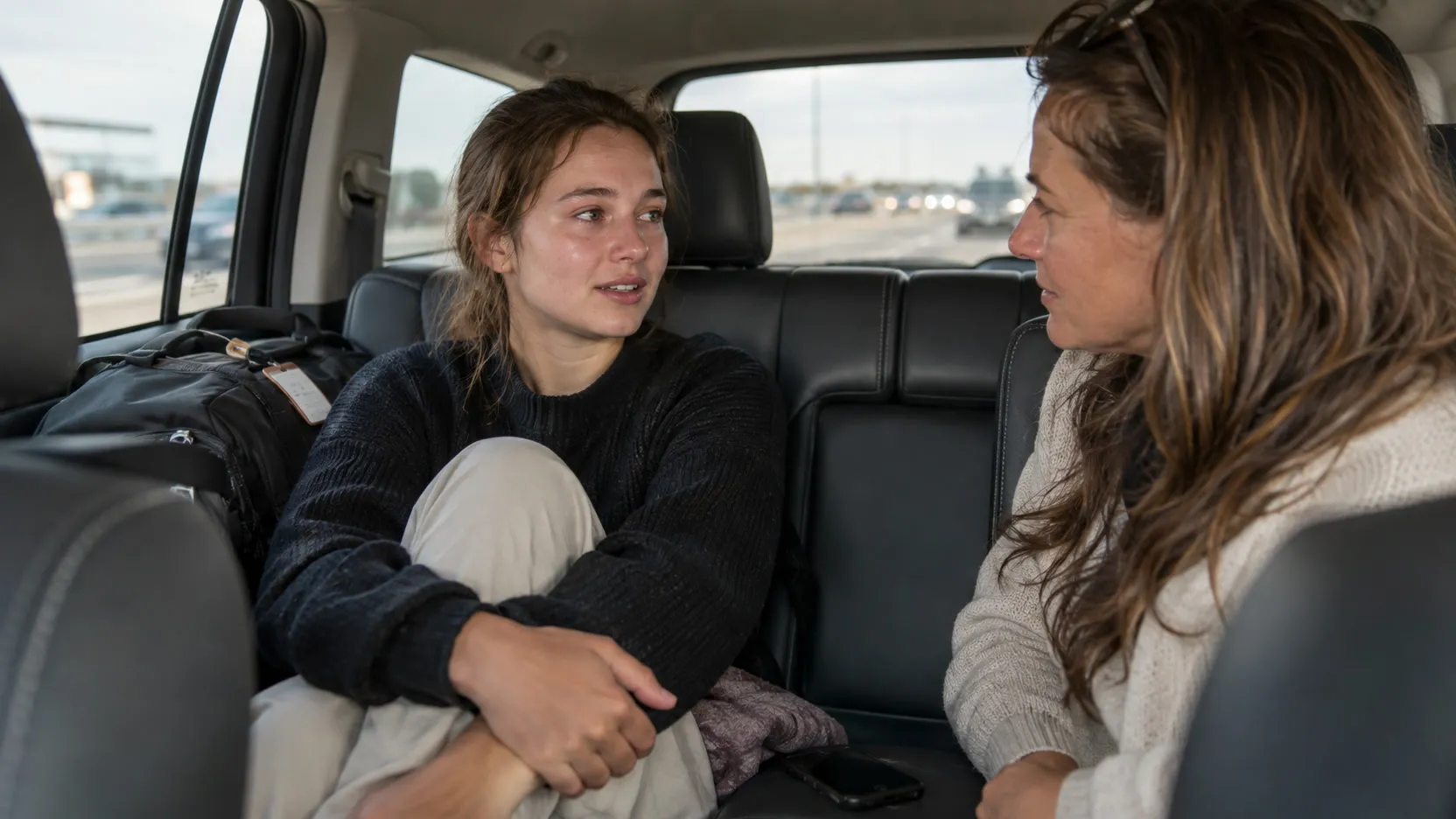
There’s a version of the mission that gets told at the pulpit, and a version that gets told in the car on the way home from the airport. If they want to tell it, make room to record the second one too.
I like to ask while the details are fresh, without treating homecoming as a deadline. After the homecoming talk, after the fifteenth “how was your mission?”, the stories settle into their public shapes: smoothed, safe, three minutes each. The version where the companionship almost didn’t survive March, told with the details still sharp and the ending still felt — that version deserves room too. Families who record it own something no photo book can hold.
So while the suitcase is still in the hallway: one evening, one recorder running with their blessing, and these ten.
The ten questions
1. Walk me through your very first door. Not the doctrine of it — the scene. What the street looked like, what your companion whispered, what your stomach did.
2. Which companion changed you, and what did they do that did it? Every mission has one. The answer is usually a story they’ve never told anyone.
3. Tell me about the meal you’ll never forget. Food opens the country. This is where the mission stops being spiritual résumé and becomes a place.
4. What was your worst day — and how did the next morning happen? The second half is the actual question. Nobody asks it, and it’s where the testimony actually lives.
5. Who do you think about that you’ll probably never see again? Give this one room. The silence that follows is part of the record.
6. What did you eventually figure out that you wish you’d known at the MTC? The freshly-returned know this precisely. In five years it blurs into wisdom-flavored generalities.
7. When did the language finally break open? (Or for a native-language mission: when did talking to strangers break open?) There’s always a specific day. Get the day.
8. What’s something funny that would never survive a sacrament-meeting version? The mission was also hilarious. The polished version deletes this first, and it’s the part their own kids will replay most.
9. Where were you standing the moment you knew this was true — or the moment you chose to stay when you didn’t know? Both answers are testimony. Take whichever one is real.
10. What are you afraid of losing now that you’re home? Ask it last. Then let them hear the recording exists — that’s one answer to it already.
Two techniques carry the whole hour: chase the physical detail (“what could you smell in that apartment?”), and when an answer comes back general, ask how it happened rather than why it mattered. General answers are doors; the sensory follow-up is the handle — the same method that works on grandmothers works on RMs, because it’s the same species of treasure.
Save the account files while access is available
The interview preserves the told mission. The written one may depend on temporary account access: mission-account photos and messages should be copied before access changes; check the account administrator’s current instructions, and the weekly emails are the mission’s real-time record if someone at home has kept them. Same week, same kitchen table: run the interview, then save the accounts. One evening, and the whole mission — told and written — belongs to the family.
Any phone in the house can do all of this before Sunday. UNA’s Mission room is being built as a worthy home for what you capture, and it will wait patiently — the record of a life can begin with the tools you already have.
The airport was the homecoming. The interview is the arrival.