
On keeping
Your missionary's emails are a record — save them like one
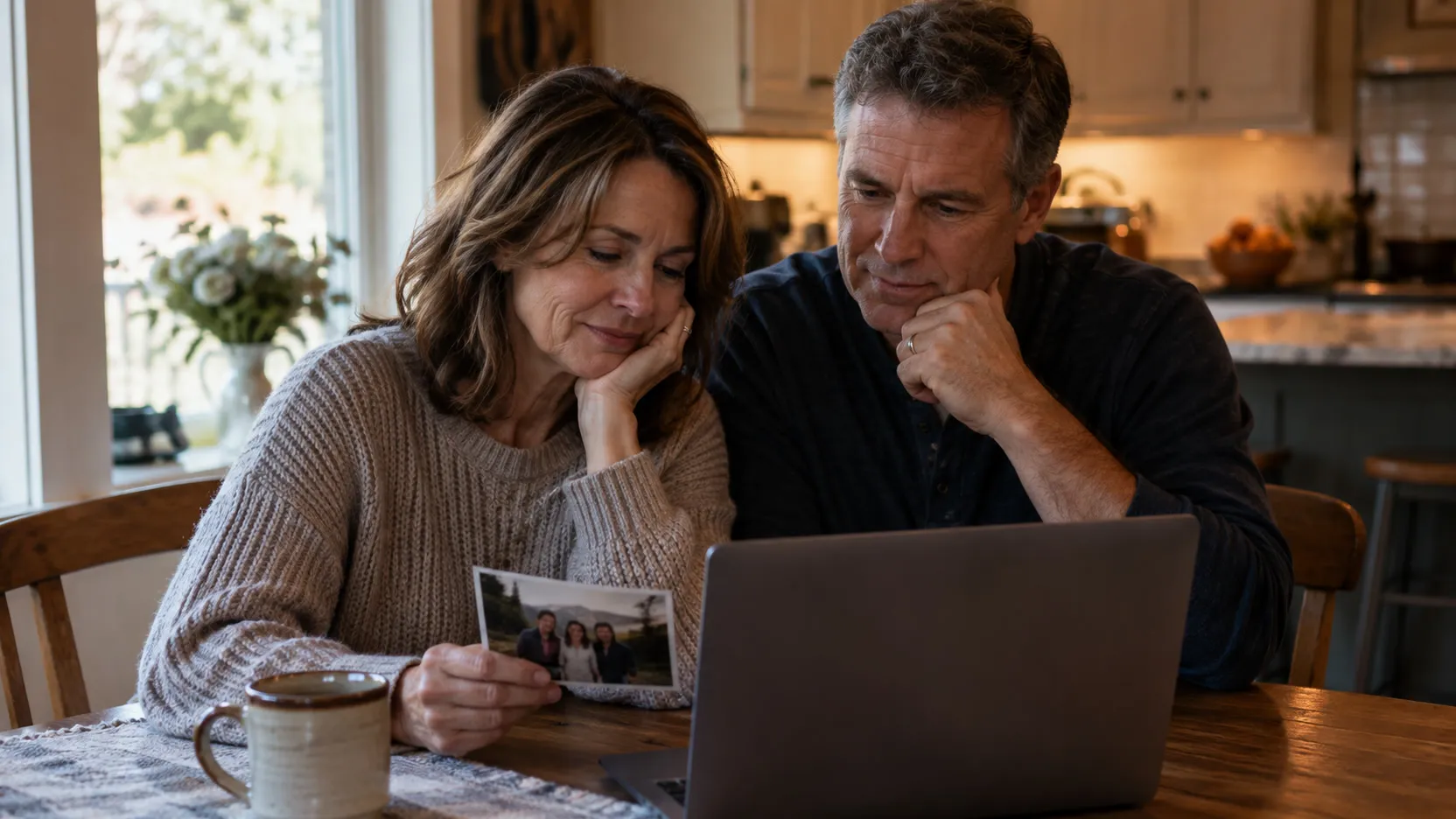
Somewhere tonight a mother is reading a Tuesday email for the seventh time. She could recite it. She reads it again anyway, out loud this time, because her husband wanders in pretending he hadn’t already read it too.
If your family has a missionary out right now, you know exactly which email I mean. And I want to tell you something about it that’s easy to miss from inside the waiting:
Those emails are the mission’s record. The real one. Written the same week it happened, in their own voice, before homecoming polished the stories smooth. The investigator who finally opened the door. The companion who drove them crazy in March and became a brother by June. The Sunday night they almost didn’t make it through, told carefully so you wouldn’t worry — you could hear it anyway. Twenty years from now, when their own teenager opens a call, these emails are what they’ll wish they could hand over. A testimony with a date on it.
And almost every family leaves that record sitting in an inbox the family doesn’t own.
The quiet problem
Mission email accounts close after the mission — on their own schedule, not yours. I’ve written before about where mission photos go when the account closes, and the emails follow the same quiet path: nobody decides to lose them. Access just lapses, months later, in a moment that never feels like a decision. The record survives only if someone on the home side keeps a copy in a place the family controls.
That someone is you, and it takes one evening.
This week, at the kitchen table
1. Gather what’s already arrived. From your own inbox, save every weekly email out to a folder you control — export them, or at minimum forward the lot to a family address that isn’t going anywhere. Don’t curate. The boring ones ripen.
2. Keep both sides. Your replies are half the record — what home looked like while they served is a story they’ll want too. Save the thread, not just their half.
3. Pull the photos out of the emails. Attachments are photos in a burning building. Save the files themselves, two places.
4. Add the kitchen-table layer. Someday they’ll want to know what it was like to be home: the chair nobody moved, the little sister who set a place anyway. Write three sentences after the Sunday call. You’re not just receiving the mission’s record — you’re keeping one.
And then, someday, a home for it
UNA’s Mission room is being built for exactly this — a family-held place for the letters, the photos, the waiting turned into something warm. I want to be plain, the way I try to be everywhere on this site: it’s a preview today, not a finished room, and you should not wait for it. The emails need saving this week, with the tools you already have.
The kitchen table is holding space. It might as well hold the record too.