
Company
The life behind the words
Decades of serving in the Church shape the care I bring to UNA. That care begins with listening.
“I was given a new calling.”
A short sentence. It tells you what happened. Almost everything that matters is still missing.
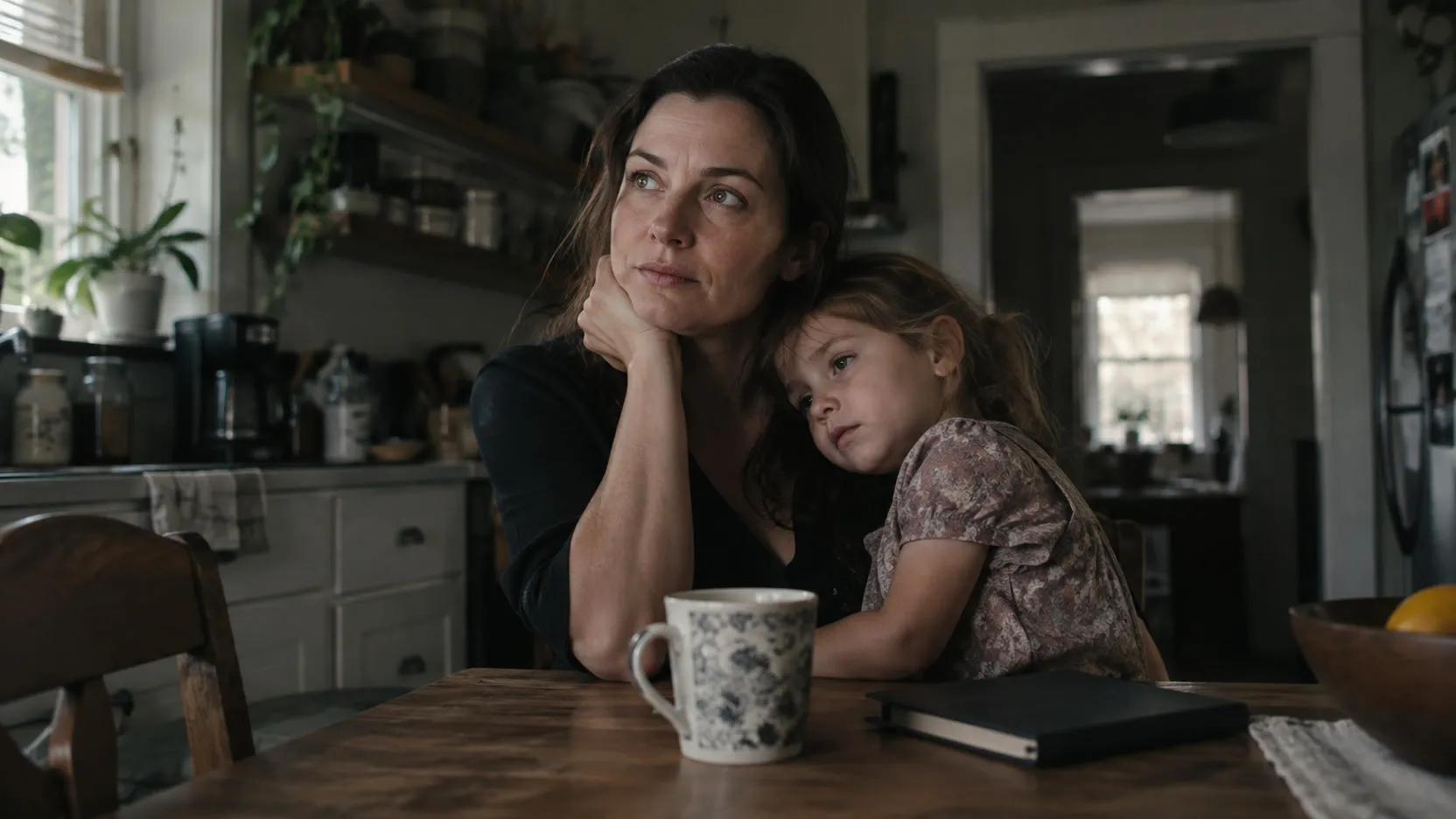
Perhaps the person is delighted. Perhaps they have spent a difficult year wondering whether anyone noticed them, and being asked to serve feels like being remembered. Perhaps they are already thinking about the evenings, the children, the work schedule, and wondering where another responsibility will fit.
The sentence is the same. The lives around it are different.
That is something I think about when building UNA.
What experience brings
I have spent decades in The Church of Jesus Christ of Latter-day Saints. I studied at Brigham Young University. I have served as a branch president, in a bishopric, and in a mission presidency. The Church has been part of the daily substance of my life: its doctrine, its organization, its service, its people.
That background matters to the work I am doing now.
When someone writes about a calling, a returning missionary, or a Sunday with their family, I know something of the world around those words. There is less vocabulary to explain. There are relationships, responsibilities, and hopes that I recognize.
But familiarity has a temptation of its own. You can recognize a situation so quickly that you stop listening to the person describing it.
A calling I found joyful might leave someone else overwhelmed. A lesson that reassures one person might bring another person’s unanswered question into sharper focus. Two people can sit through the same sacrament meeting and come home carrying very different things.
Experience is useful when it helps us notice more. It becomes less useful when it persuades us that we already know.
The part a definition leaves out
Imagine someone recording this at the end of a Sunday:
“I loved teaching today. I also realized I hardly spoke to my own children.”
Both sentences deserve to remain.
An eager response could rush toward encouragement. It could praise the service, explain the sacrifice, or offer a plan for next Sunday. In doing so, it might pass over the very thing the person was trying to put into words.
They loved teaching. They missed their children.
There may be something to decide eventually. For now, there is something to recognize.
This is the kind of care I want to bring to UNA’s reflections. The words a member chooses should matter more than the response we expected to give. A question should make room for their experience to become clearer.
Knowing the culture helps us hear the sentence. The person still gets to tell us what it means.
What I bring to UNA
Building for a community you belong to carries a particular responsibility. Familiar language can make a place feel welcoming. It can also make a careless assumption feel especially personal.
I want UNA to be a place where members can record an ordinary day without translating their whole religious life first. Where service, scripture, family, and faith can appear naturally because they appear naturally in the member’s own life.
I also want there to be room for the day that does not fit anyone’s expectations.
The quiet day. The complicated Sunday. The moment of gratitude that arrived alongside exhaustion. The question that is still a question when the entry ends.
My experience shapes the standards I bring to this work. It gives me reasons to examine a phrase carefully, to question an easy reassurance, and to ask whether a reflection has stayed close to what the person actually wrote.
It gives the software no authority over their life.
UNA cannot decide what God intends for someone. It cannot make a worthiness judgment or take over the personal work of discernment. I have written about why its reflections never give advice. Those boundaries belong to the care itself.
So does privacy. The Sacred Vault remains separate from reflections. What a member keeps there is never sent to UNA’s servers, and my years of service give me no claim to read it.
Leave room for your own meaning
The record of the living includes the events of a life. It also holds what those events felt like from the inside.
Someone looking back may learn when you received a calling, when a child came home, or where your family lived. Your own words can preserve something those facts leave out: what you hoped for, what surprised you, what you were still trying to understand.
When you next record a moment, give yourself room to include that part.
“I was given a new calling.”
Then another sentence, if you have one.
What it meant to you belongs in the record too.